
Sleeping pills are generally allowed on planes in both carry-on and checked luggage when they are prescription medications or clearly labeled over-the-counter sleep aids.
For a complete overview of TSA rules and airport security restrictions, see our guide to what you can bring on a plane, which explains what items are allowed in carry-on luggage and how screening rules work.
Sleeping Pills on a Plane: Rules at a Glance
Carry-on: Allowed
Checked bag: Allowed
Prescription medication: Allowed with label
Over-the-counter sleep aids: Allowed
Security screening: May require inspection
Travelers can bring most sleep medications through airport security without problems. The Transportation Security Administration allows medications in pill form in both carry-on and checked bags. However, medications may be inspected during screening, and international travel can involve additional rules depending on the destination.

TSA rules for sleeping pills in carry-on and checked bags
The Transportation Security Administration allows medications in both carry-on and checked luggage, including sleeping pills.
Solid medications such as tablets or capsules are generally unrestricted during TSA screening. Travelers can pack them in pill bottles, blister packs, or clearly labeled containers. TSA officers may ask to inspect medications during screening, but they are rarely confiscated when they are legitimate medications.
TSA guidance states that medications are permitted in reasonable quantities for personal use. Travelers are not required to place medications in the quart-sized liquids bag used for toiletries. Pills can remain in a bag, pocket, or medication organizer during screening.
If a medication triggers additional screening, TSA officers may ask the traveler to briefly remove the item for inspection. This is a routine procedure and typically takes only a moment.
Carry-on bags are typically the best place to store sleeping pills. This keeps medication accessible during the flight and avoids problems if checked luggage is delayed or lost.
Liquid sleep aids are allowed but must follow standard TSA liquid rules. Containers must usually be under 3.4 ounces unless the liquid medication is declared and screened separately. If a traveler carries medically necessary liquids larger than the normal limit, they should inform the TSA officer before the screening process begins.
Travelers who want a broader overview of medication rules can also review our guide, Can you bring prescription medication on a plane, which explains TSA policies for traveling with medications of all types.
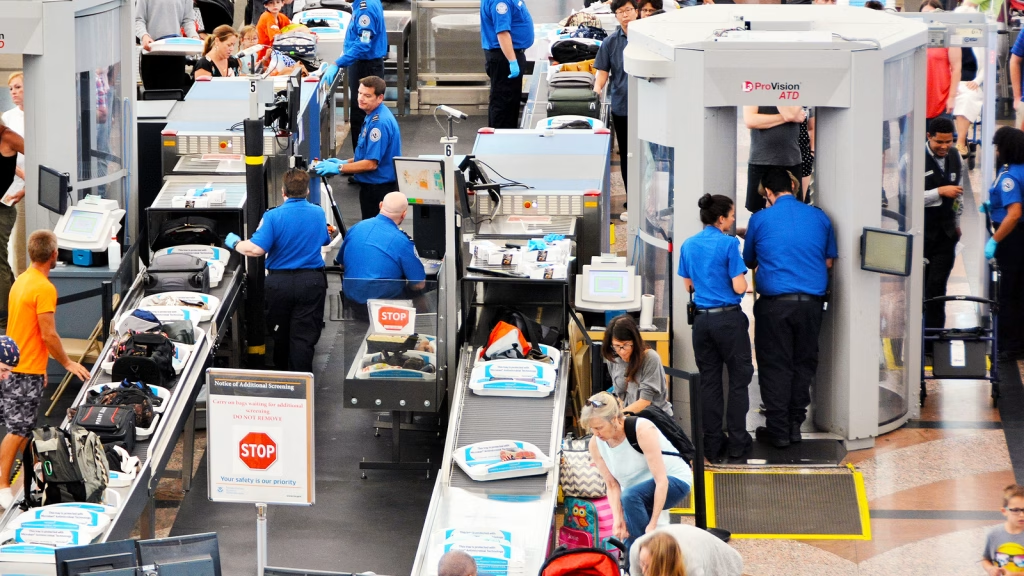
Prescription sleeping pills vs over-the-counter sleep aids
Sleeping medications fall into two main categories.
Prescription sleeping pills include medications such as Ambien and zolpidem, which are commonly prescribed for insomnia. These medications are allowed on planes as long as they are prescribed to the traveler and ideally kept in their labeled container.
Other prescription sleep medications such as eszopiclone or temazepam follow the same TSA rules. Airport security officers do not normally require proof of prescription during domestic travel, but clearly labeled packaging helps avoid confusion during screening.
Over-the-counter sleep aids are also allowed through airport security. These may include melatonin supplements, antihistamine-based sleep aids, or herbal sleep products commonly sold in pharmacies.
Travelers often carry melatonin or similar supplements to help manage jet lag. If you want a detailed explanation of how TSA treats supplements, see our guides, Can you bring melatonin on a plane and Can you bring vitamins on a plane.

From a TSA perspective, both prescription and non-prescription sleep aids are treated the same. The primary concern during screening is whether the medication appears legitimate and properly packaged.
How to pack sleeping pills for airport security
Travelers can reduce screening delays by packing medications properly.
Best practices include:
• Keep medication in original packaging
• Carry prescriptions when possible
• Avoid mixing loose pills in unmarked containers
• Pack medication in carry-on bags
Keeping medications organized helps security officers quickly identify items during screening. This reduces the chance of additional inspection and speeds up the checkpoint process.
Many travelers also bring other comfort items on long flights, such as travel blankets or sleep masks. If you are unsure about blanket rules, see our guide, Can you bring a blanket on a plane.
Can you take sleeping pills during a flight?
Many travelers use sleeping pills during long flights to help rest, especially on overnight routes.
Flight length is an important factor. Short flights may not allow enough time for the medication to wear off before arrival, which can leave travelers feeling groggy when they land.
It is also important to consider personal tolerance. Travelers should avoid taking a sleep aid for the first time during a flight because unexpected reactions can occur.
Another consideration is alcohol. Combining sleeping pills with alcohol can increase sedation and dehydration during the flight.
Traveling internationally with sleep medication
Medication rules can vary when flying internationally.
Most countries allow travelers to bring personal medications in reasonable quantities for personal use. However, some countries regulate certain prescription drugs more strictly than others.
Certain sleep medications, especially those classified as controlled substances, may require additional documentation when entering another country. Travelers carrying prescription sleeping pills should consider bringing the original labeled container and a copy of the prescription.
Some countries also limit the amount of medication travelers can bring across the border. Carrying a small personal supply is usually acceptable, but transporting large quantities could lead to questions from customs authorities.
Before traveling internationally, it is wise to review medication regulations for your destination country. Government travel websites and embassy resources often publish lists of restricted medications.
This step is often overlooked in travel advice articles. Many guides only discuss TSA screening rules, but customs regulations in another country may be stricter than airport security procedures.

Travelers preparing for international flights may also want to review other airport security questions, such as can you bring toothpaste on a plane or can you bring pins on a plane, since packing rules can affect how items are screened.
Related TSA compliance guides
Travelers often have similar questions about what items are allowed through airport security. These guides explain the rules for other common travel items.
• Can you bring toothpaste on a plane
• Can you bring vitamins on a plane
• Can you bring melatonin on a plane
• Can you bring prescription medication on a plane
• Can you bring a blanket on a plane
• Can you bring pins on a plane
Conclusion
Sleeping pills are generally allowed on planes in both carry-on and checked luggage. Most prescription medications and over-the-counter sleep aids can pass through TSA screening without problems when they are clearly labeled and packed appropriately.
For the best travel experience, keep medications in your carry-on bag, maintain original packaging when possible, and review international medication rules if you are traveling abroad.
If you are unsure about other items in your carry-on bag, see the full guide to what you can bring on a plane, which explains TSA carry-on rules and airport security restrictions for common travel items.
FAQ
Yes, sleeping pills are allowed in carry-on luggage according to TSA medication rules.
Original packaging is recommended because it helps security officers identify the medication quickly.
TSA rarely confiscates legitimate medications unless they violate security rules.
Yes, prescription sleeping medications are allowed when they are prescribed to the traveler.
Yes, many travelers take sleep aids on long flights, but it is best to use medications that you have taken safely before.
Keep Planning Your Trip
Understanding airport security rules is only one part of planning a smooth trip. These guides can help you plan the rest of your journey.
| Guide | What You’ll Learn |
|---|---|
| Flight Time Between Cities | Estimated flight times between major cities worldwide |
| Can you bring prescription medication on a plane | TSA rules for traveling with prescription drugs |
| Can you bring melatonin on a plane | How sleep supplements are handled at airport security |
One thought on “Can You Bring Sleeping Pills on a Plane? TSA Carry-On Rules”