Flight Time from Toronto to London is a key planning detail for travelers heading from Canada to the UK, whether the trip is for business, a first visit to Britain, or a longer European itinerary.
This route connects Canada’s largest city with one of the world’s busiest international hubs. Flights operate year round, with multiple daily departures and a wide range of airlines, aircraft types, and schedules to choose from.
This route is part of a larger flight-time guide covering major routes between cities.
Average Flight Time from Toronto to London
The average nonstop flight time from Toronto to London is 7 hours 15 minutes under normal conditions. This estimate reflects typical west-to-east transatlantic flying times, which benefit from prevailing jet stream winds.
Actual flight times can vary slightly depending on wind strength, aircraft type, and departure airport in Toronto. Evening departures often arrive in London early the following morning, which is common for overnight transatlantic flights.
Seasonal weather patterns and air traffic congestion at London Heathrow can also influence block times. While scheduled flight times may appear longer, the airborne portion usually stays close to the average.
Distance Between Toronto and London
The distance between Toronto and London is approximately 5,700 kilometers or about 3,540 miles. This distance places the route firmly in long-haul territory, but still shorter than many transatlantic flights to southern or eastern Europe.
Despite the distance, the route is efficient due to strong demand and direct great-circle routing across the North Atlantic. Modern wide-body aircraft handle this distance comfortably, allowing airlines to offer frequent nonstop service.

Airlines that fly this route
Several major international airlines operate nonstop flights between Toronto and London, offering a mix of comfort levels, pricing, and onboard products.
Air Canada
Air Canada operates multiple daily flights on this route, primarily from Toronto Pearson to London Heathrow. The airline offers economy, premium economy, and business class cabins, making it a popular choice for both leisure and corporate travelers.
British Airways
British Airways is a key player on this route, with nonstop service into London Heathrow. The airline is well regarded for its extensive UK and European connections, which makes onward travel seamless after arrival.
Virgin Atlantic
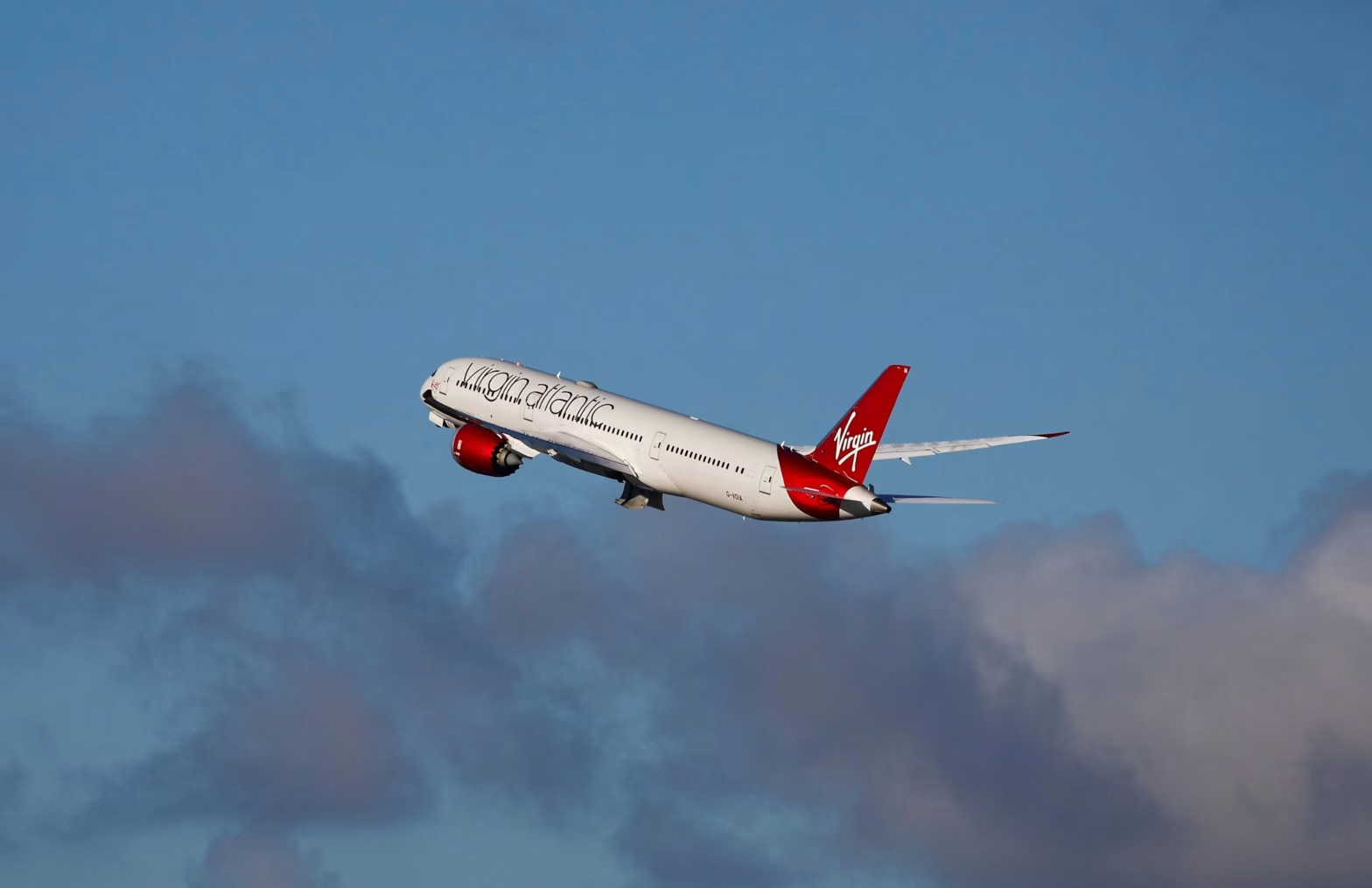
Virgin Atlantic also serves the Toronto to London market, typically flying into Heathrow. It is known for its modern cabins, strong onboard service, and competitive premium economy offering.
WestJet
WestJet also operates nonstop flights from Toronto to London Heathrow, expanding the options available on this busy transatlantic route. The airline focuses on a streamlined long-haul experience, with a modern wide-body fleet and a cabin offering that includes economy, premium, and business class. WestJet’s London service is especially appealing to Canadian travelers looking for competitive pricing while still flying nonstop into Heathrow.

Nonstop versus connecting flights
Nonstop flights are the most common choice for this route, but connecting options can sometimes be cheaper or better aligned with specific schedules.
Nonstop flights reduce overall travel time and simplify the journey. Connecting flights may route through cities such as Montreal, New York, or European hubs, adding several hours to the trip.
Key differences to consider include:
- Nonstop flights are faster and more predictable
- Connecting flights may offer lower fares during off-peak periods
- Layovers increase total travel time and fatigue
- Missed connections are a risk with tight schedules
For most travelers, nonstop flights are worth the premium due to convenience and reduced stress.
Departure experience at Toronto airport
Most flights depart from Toronto Pearson International Airport, formally known as Toronto Pearson International Airport. As Canada’s busiest airport, it offers extensive amenities, lounges, and dining options.

International departures typically operate from Terminal 1. Security and exit formalities are generally efficient, but peak evening departure waves can create longer lines. Arriving early helps ensure a smooth start to an overnight flight.
For a complete breakdown of airport logistics, where to stay, and how to plan your trip, see this Toronto travel guide covering flights, YYZ airport tips, and the best trips around the GTA.
Arrival experience at London Heathrow airport
Flights arrive at London Heathrow Airport, officially called London Heathrow Airport. Heathrow is one of the world’s busiest international airports and serves as a major gateway into the UK and Europe.
Arrival procedures include passport control and customs, which can take time during peak morning hours. Once landside, travelers have access to extensive public transit options, including the Heathrow Express, Underground, and regional rail services.

Time zone change and jet lag
There is a five-hour time difference between Toronto and London, with London ahead. This shift can affect sleep patterns and energy levels, especially on overnight flights.
To manage jet lag more effectively, consider the following:
- Adjust sleep times gradually before departure
- Stay hydrated and limit alcohol on the flight
- Get daylight exposure after arrival
- Try to stay awake until local bedtime
- Use short naps only if necessary
Seasonal factors that affect flight time
Seasonal conditions can subtly influence flight duration and overall travel experience on this route.
Winter
Winter flights may encounter stronger jet stream winds, which often shorten eastbound travel times. However, snow and ice at departure or arrival airports can cause delays.
Spring
Spring offers relatively stable flying conditions. Flight times are consistent, and weather-related disruptions are less common than in winter.
Summer
Summer brings heavier air traffic and occasional thunderstorms. While airborne time remains similar, congestion at Heathrow can increase taxi and holding times.
Fall
Fall is often one of the best seasons to fly this route. Weather is generally stable, and airport congestion eases after the summer peak.
What to pack for a 7-hour flight
A flight of this length requires thoughtful packing, especially for overnight travel. Comfort items make a noticeable difference when trying to rest onboard.
Key items to consider include noise-canceling headphones, a neck pillow, layered clothing, eye mask, and basic toiletries. Keeping essentials in your carry-on helps you stay comfortable without accessing overhead bins repeatedly.
For a detailed checklist, many travelers reference practical packing resources such as a carry-on essentials guide to streamline preparation.
Best seat choices for long-haul comfort
Seat selection plays a major role in comfort on transatlantic flights. Window seats are ideal for those who plan to sleep, while aisle seats suit travelers who prefer easy movement.
Bulkhead seats often provide extra legroom but may have fixed armrests. Exit rows can be excellent, though availability varies by aircraft. Reviewing seat maps in advance helps avoid surprises.
Choosing the right departure time
Most flights depart Toronto in the evening, arriving in London early morning. This schedule supports overnight sleep and maximizes the first day abroad.
Morning departures are less common but may appeal to travelers who prefer daytime flying. These flights often arrive in the evening, which can simplify adjusting to local time.
Cabin class differences on this route
Economy class dominates capacity, but premium cabins are popular on this business-heavy route. Premium economy offers more space and better service without business class pricing.
Business class provides lie-flat seats, lounge access, and priority services, which significantly improve comfort on overnight flights. The right choice depends on budget, travel purpose, and personal comfort needs.
Conclusion
Flight Time from Toronto to London remains one of the most efficient ways to cross the Atlantic, combining frequent nonstop service with manageable flight duration. With proper planning, the journey can be comfortable and predictable, setting the tone for a successful trip.
For more routes and comparisons, see the complete flight-time guide covering major cities worldwide.
FAQ
How long is the nonstop flight from Toronto to London?
The nonstop flight typically takes around 7 hours and 15 minutes under normal conditions.
Do all flights go to Heathrow?
Most nonstop flights arrive at Heathrow, though occasional services may operate to other London-area airports.
Is this an overnight flight?
Yes, most departures leave Toronto in the evening and arrive in London early the next morning.
Which airport in Toronto is used?
All international flights on this route depart from Toronto Pearson International Airport. Billy Bishop Toronto City Airport is solely used for domestic and United States flights.
Is jet lag noticeable on this route?
Jet lag is common due to the five-hour time difference, but it is usually manageable with proper planning.
Keep planning your trip
Planning beyond flight time helps ensure a smoother and more enjoyable journey. The following resources support smarter packing, airline selection, and overall travel readiness.
| Article | Why it’s useful |
|---|---|
| 42 Essential Carry-On Items | Helps you pack efficiently for long-haul flights with a focus on comfort, convenience, and in-flight needs. |
| Best Airlines in 2025: Comfort, Safety, and Service Compared | Provides a detailed comparison to help you choose the best airline for transatlantic travel. |
| 7 Healthy Airport Food Picks Travel Wellness Pros Love | Offers practical food choices to stay energized before and during long flights. |
| Canadian Destinations Worth the Trip | Inspires future travel ideas once you return from international trips. |
3 thoughts on “✈️ Flight Time from Toronto to London”